Reveal Your Sole: The Environmental Impact of Footwear


Lately, the trend of minimalist footwear has gained momentum, encouraging individuals to rethink the way they approach footwear. As more people become conscious of their green footprint, the connection between what we wear on our feet and its impact on the planet is becoming increasingly important. Barefoot shoes, including popular brands like Xero Shoes and Xero Sandals, present a distinct solution by promoting a more natural way of walking while also minimizing environmental harm.
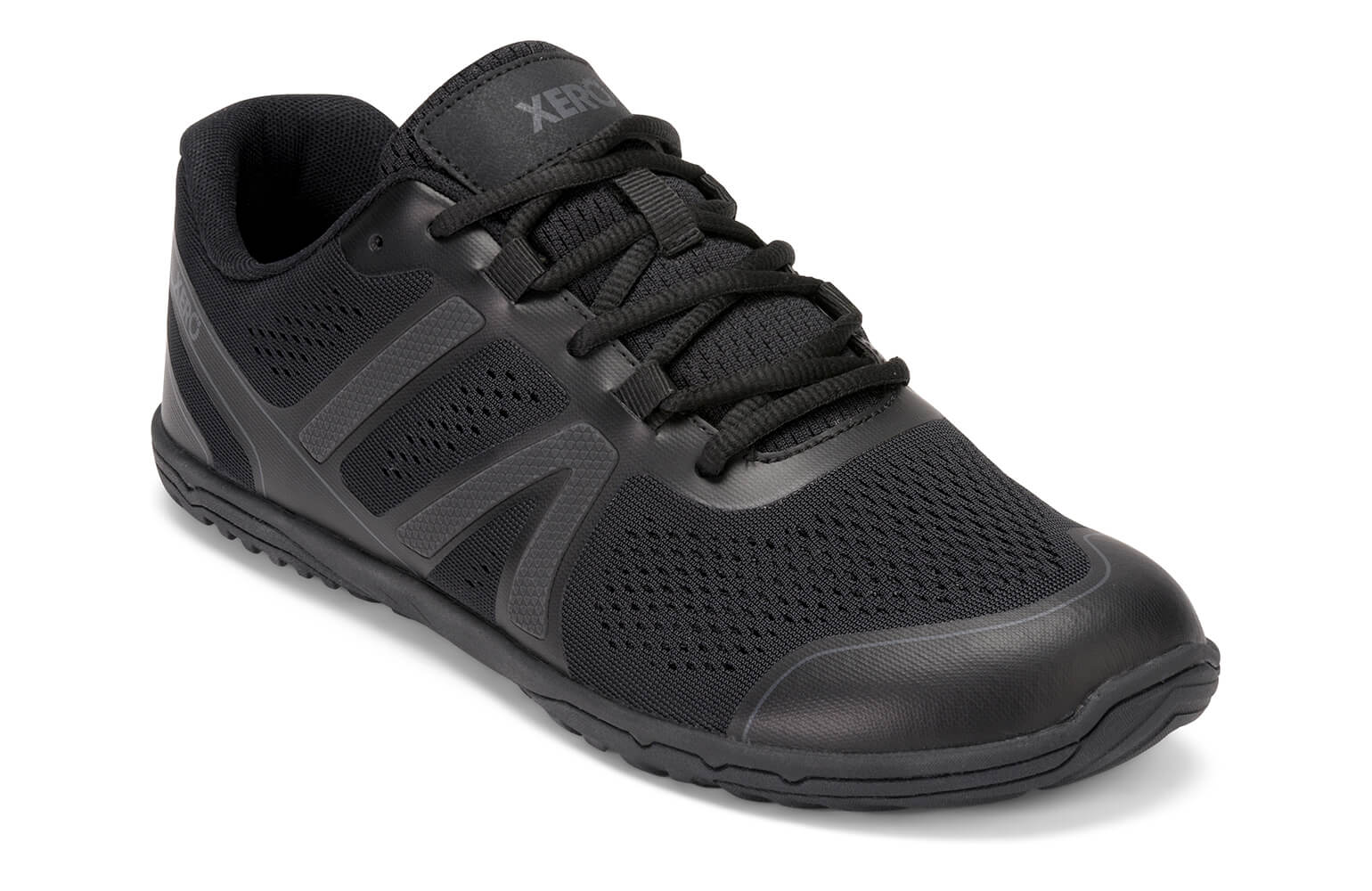
These minimalist shoes are designed to deliver a close-to-nature experience, allowing the foot to move freely and naturally. Unlike standard footwear, which often incorporates synthetic materials and excessive cushioning, barefoot shoes emphasize weightlessness and breathability. This shift not only improves our health by supporting better posture and foot strength but also aid sustainability efforts by using sustainable materials and manufacturing processes. As we investigate deeper into the world of barefoot footwear, it becomes evident that making mindful choices can lead to a positive impact on both our well-being and the environment.
A Growth of Barefoot Footwear
In the past few years, there has been a notable shift in buyer preferences towards barefoot footwear, particularly with the emergence of brands like Xero Shoes. This trend is motivated by a growing awareness of health and wellness, as an increasing number of individuals seek to align with their surrounding environment while prioritizing foot health. Barefoot shoes advocate for a more natural running and walking style, which corresponds with the body’s natural biomechanics.
The demand for minimalist footwear has surged as a response to modern lifestyles that often compromise physical well-being. With traditional shoes often offering excessive cushioning and support, many people are facing discomfort and injuries. Barefoot shoes, including Xero sandals, emphasize the importance of proprioception and allow wearers to feel the ground beneath them, resulting in a more engaged and active lifestyle.
This movement is not just about comfort but also environmental responsibility. Consumers are increasingly considering the environmental impact of their purchases, and the production practices of barefoot footwear brands reflect this trend. Many companies are adopting sustainable materials and methods, making barefoot shoes an attractive option for those looking to reduce their ecological footprint while enjoying the benefits of natural movement.
Material Matters: Sustainable Options
When it comes to minimalist shoes, the selection of substances plays a crucial role in their ecological footprint. Brands like Xero Shoes are leading the movement by using sustainable components that reduce their environmental impact. Natural materials such as organic cotton and hemp not only reduce reliance on synthetic fibers but also promote more vibrant ecosystems by steering clear of harmful chemical treatments. By opting for footwear that utilizes these sustainable resources, consumers support practices that protect the environment and encourage responsible manufacturing processes.
In contrast to traditional footwear that frequently relies heavily on plastic and synthetic materials, barefoot shoes aim to use materials that are both light and biodegradable. Xero sandals, for example, utilize adaptive soles made from upcycled materials, which considerably decreases waste while providing a simple feel. This method not only meets the increasing demand for sustainable fashion but also enhances the overall sensation of wearing footwear designed for free movement.
Additionally, the longevity of sustainable barefoot shoes plays a significant part in their eco-conscious friendliness. High-quality materials used in brands like Xero contribute to a greater durability, reducing the need for regular replacements. This durability means reduced waste generated over time and a smaller ecological footprint. Choosing barefoot footwear crafted with thoughtfulness and eco-friendliness in mind is not just about comfort; it is also about making deliberate decisions that support our environment.
Pros of Minimalist Footwear
Barefoot shoes simulate a organic foot environment, enabling for a much true walking experience. This design supports superior foot mechanics by prompting users to engage their muscles entirely, resulting in more robust feet over the long term. Many people report better balance and heightened proprioception when switching to barefoot footwear, as the shoes allow a fuller range of motion and ground contact.
Using barefoot shoes can also lead to better posture. Traditional footwear often alters the body's alignment, while barefoot designs enable a much neutral stance. This can reduce strain on the lumbar region and joints, helping to ease discomfort linked to suboptimal posture. Users frequently notice less aches and discomfort as they adapt to this new way of locomotion.
Another significant benefit is the potential for fewer injuries. Barefoot shoes facilitate a much natural feel of the ground, which can help individuals become more attuned to their environment. This relationship may lead to more mindful movements and a lowered risk of frequent injuries such as sprains and strains. As users gain self-assurance in their foot awareness, they often find themselves moving more freely and without the limitations imposed by traditional footwear.
Xero Footwear and Eco-friendliness
Xero Shoes has established itself as a pioneer in advocating eco-friendliness within the footwear industry. Their commitment to sustainable materials is clear in the creation and manufacture of their minimalist footwear and sandals. By emphasizing https://myshoesfinder.com/xero-sandals/ and minimalistic designs, they uniquely enhance the organic foot movement but also reduce the quantity of material needed for each pair. This method helps to decrease the overall ecological footprint of the products.
Another important aspect of Xero Footwear's eco-friendly efforts is their long-lasting lifespan. Many footwear items end up in landfills due to degradation, but Xero Shoes are designed to withstand the elements. With a combination of high-quality materials and careful craftsmanship, these shoes require less frequent replacement, which ultimately contributes to reduced waste. Consumers can enjoy their stylish shoes while also knowing they are making an environmentally conscious choice.
Additionally, Xero Shoes proactively encourages responsible consumer behavior. By advocating for a more minimalist lifestyle and the benefits of barefoot walking, they motivate individuals to consider quality over mass. This approach not only aligns with sustainability principles but also fosters a deeper connection to the environment, inspiring wearers to appreciate the gains of lessening their ecological footprint while enjoying the freedom of going without shoes.
A Greener Footprint: Lowering Waste
Choosing barefoot shoes like Xero Shoes can significantly help to a significantly sustainable lifestyle. Traditional footwear often employs materials that do not biodegrade, resulting in huge amounts of waste in landfills. In contrast, barefoot shoes are typically designed with environmentally friendly materials that reduce the impact on the environment. By selecting these forward-thinking designs, consumers can help minimize the adverse effects of footwear on our planet.
Moreover, the durability of barefoot shoes plays a critical role in waste reduction. Unlike many conventional shoes that don’t last long, Xero Shoes are crafted to last. This durability not only reduces the need to buy new ones but also lessens the requirement for new materials. When shoes are designed for longevity and sustainability, they encourage responsible consumption, eventually leading to a substantial decline in waste generation.
Furthermore, many brands producing barefoot shoes are committed to sustainable practices in their manufacturing processes. This includes utilizing recycled materials, cutting down on water usage, and practicing ethical labor practices. By supporting these brands, consumers take an important part in promoting a greener economy. Every transaction of eco-friendly footwear is a step towards a more eco-conscious future, reflecting a joint effort to diminish humanity's impact on the environment.